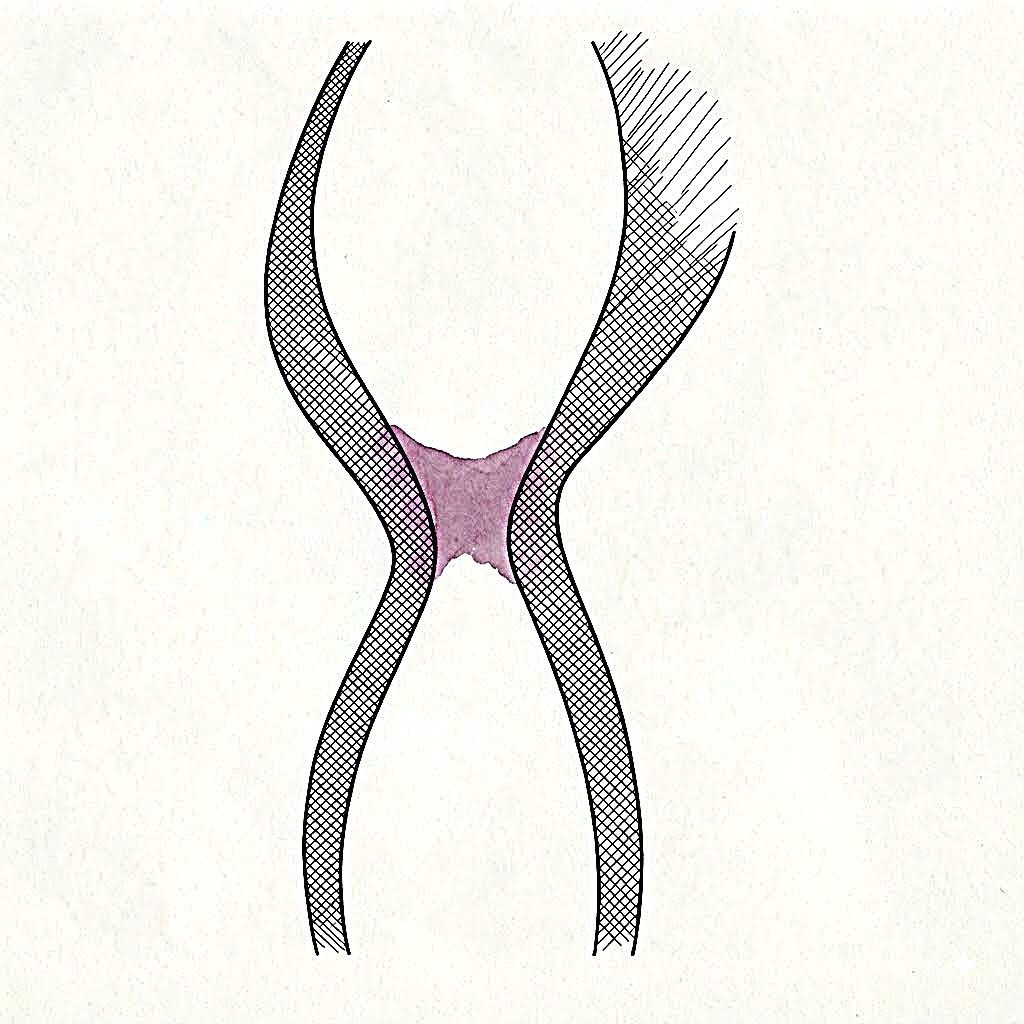
Inside the seam of departing and arriving, it was the first time I realized that the interval—the interstitial space between here and there—holds the potency of life.
Transferring trains in Basel, from Paris to Milan, I entered what appeared to be an empty cabin to pass the hours ahead, only to find someone sitting across from me in the dark. Starting up what became a surprising conversation between her broken English and my patchwork Italian, we spent the next hour talking until we reached her stop. As I stood up to say goodbye and extended my hand, she leaned in and gave me a kiss.
Inside the seam of departing and arriving, it was the first time I realized that the interval—the interstitial space between here and there—holds the potency of life.
This publication exists to articulate a unified structural theory of that interval.
We live within a contemporary paradigm that treats latency as an error.
Across every domain of modern existence—from the algorithmic pacing of information to the commercial optimization of the built environment—the space between events is being systematically eradicated.
When the interval is engineered out of our lives, the capacity for deliberate choice vanishes with it, reducing human agency to a sequence of unmediated, automated reactions.
This publication counter-poses that paradigm by establishing the structural framework of the "Gap."
The Gap is not an omission, nor is it a passive void; it is a precisely engineered suspension that interrupts momentum to preserve potential.
Whether examined at:
the operational law remains constant: human autonomy, excellence, and wisdom can only be reclaimed within the deliberate suspension of the continuous loop.
By analyzing the intersections of design, strategy, culture, and the personal, these essays serve as an alignment index. They look at:
To design, construct, and inhabit the gap is to secure the primary infrastructure of human freedom.